
Scientific Advisory Board
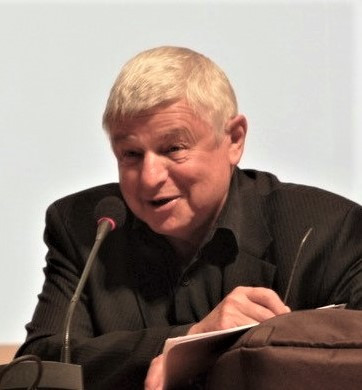
Wolf Hervé Fridman
About Close
Professor Wolf H. Fridman is Professor Emeritus of Immunology at the University of Paris Medical School in Paris, France. He received his MD and PhD degrees from the University of Paris. After 10 years in the laboratory headed by Jean Dausset, he created his own laboratory at the Cancer Research Centre in Villejuif in 1976, then moved to Institut Curie in 1983. In 2007 he created and directed the Cordeliers Research Centre, a joint research structure between INSERM, University Paris Descartes and University Pierre et Marie Curie. He is President of the Canceropole Ile de France.
Dr Fridman’s research interests have been focused around the role of the immune system in controlling human tumors and the biological functions of receptors for IgG antibodies, both through basic and translational approaches. He, and his team, identified the protein references which trigger the biological functions of the receptors for IgG. In particular, he identified and named the ITIM motif, an inhibitory motif common to many receptors.
His main contributions in cancer immunology stand up to 1969 when he published, with François Kourilsky, the first demonstration of an immune response of the patient to his own cancer, in acute leukemia. He, then, focused on the analysis of the tumor microenvironment with the demonstration of the beneficial effect of a Th1 oriented immune response to control clinical outcome in cervical cancer. Since 2005, the studies of Jérôme Galon, Franck Pagès and Wolf H. Fridman have changed the paradigm of host/cancer interactions by demonstrating that the ‘immune contexture”, taking in account the functionality, the location and the density of the immune infiltrate in colorectal tumors, is the major prognostic factor for human cancers. He is involved in the development of bioinformatic tools to quantify cells of the tumor microenvironment which are being successfully applied to predict prognosis and immunotherapeutic responses in Renal Cell Cancers, Colorectal Cancers or Sarcomas. These findings really open the way for immune-based tools for efficient prognosis and therapy of cancers.

Omid Hamid
About Close
Omid Hamid MD is the Chief of Translational Research and Immuno-Oncology at The Angeles Clinic and Research Institute. He also serves as the Director of the Melanoma and Phase I Programs. His areas of expertise include immunotherapy and phase I drug development.
Dr. Hamid has published extensively and has been at the forefront of the development of paradigm shifting breakthroughs including BRAF/MEK targeted agents, AntiCTLA4, antiPD1 and PDL1 therapies. His current interests include new immunotherapeutic options for patients including bi-specific antibodies, Adoptive T cell Therapy, and oncolytic therapies with a focus on combinatorial approaches resulting in potentially greater patient benefit. Through his leadership The Angeles Clinic has fostered a program that combines expert clinical care with teaching and leading clinical research.
Dr. Hamid is recognized as one of the preeminent Immuno-Oncologists and melanoma specialists in the world.
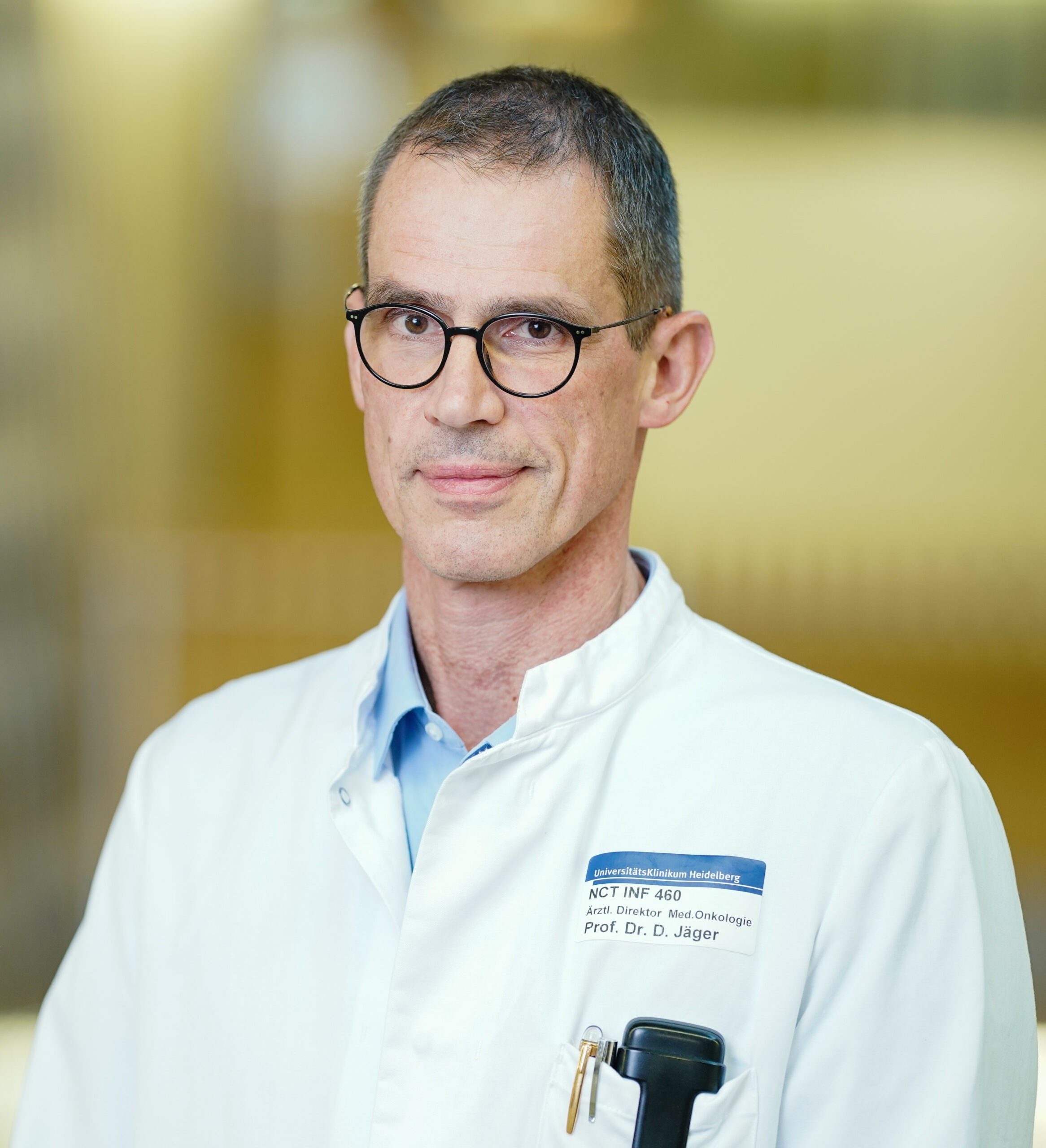
Dirk Jäger
About Close
Dirk Jäger is the Managing and Medical Director of the National Center for Tumor Diseases (NCT) Heidelberg, Head of the Medical Oncology Department at the Heidelberg University Medical Center, and is Head of the Clinical Cooperation Unit Applied Tumor-Immunity at the German Cancer Research Center (DKFZ). Dr. Jäger studied medicine at the Universities of Lübeck and Freiburg and received his MD degree in Freiburg in 1991. He specialized in the field of internal medicine and received his venia legendi at the University of Mainz in 2003. Dr. Jäger started his scientific career at Cornell Medical Center in the tumor immunology group of Yao Chen and Lloyd Old (Ludwig Institute for Cancer Research). Before he was appointed to his current positions he was head of the Tumor Immunology Laboratory of the Oncology Department, University Hospital Zurich.
At NCT Dirk Jäger is responsible for all counseling services and patient care programs. His research focuses on unmasking the full potential of the patient’s immune system to destroy tumor cells. As part of this he specializes in development of advanced methods and drugs to characterize and manipulate tumor-host interactions, especially via modulation of the tumor environment. He is author of over 200 publications with over 4000 citations and has an h-Index of 31. Dr. Jäger has recently shown that combinatorial immunotherapies can lead to clinical responses in otherwise non-responsive tumors. He has set up strategic alliances with several public institutions as well as with pharmaceutical industry. He has initiated several prospective clinical trials and builds on this foundation to further contribute to personalized cancer immunotherapy.
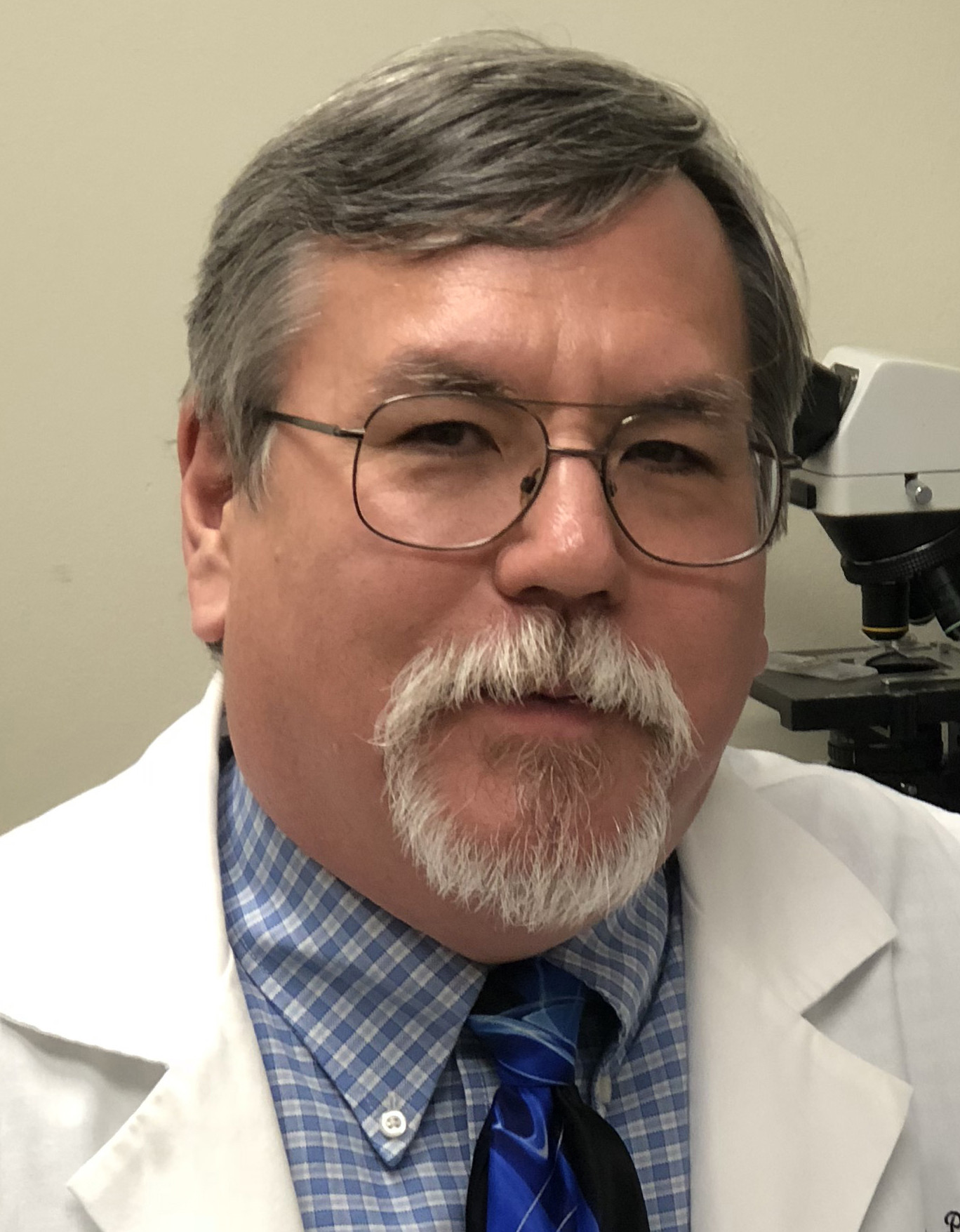
Michael Nishimura
About Close
Dr. Nishimura has devoted almost 30 years to studying the genetics and biology of T cell receptor (TCR) and more recently chimeric antigen receptor (CAR) genes and how TCR and CAR gene modified T cells function in vitro and in vivo. This information has been used to develop novel adoptive cell transfer (ACT) strategies using TCR and CAR gene modified T cells to treat patients with advanced malignancies. Factors currently under investigation include but are not limited to: 1) how the TCR affinity impacts T cell function and off target recognition of normal cells, 2) how TCR and CAR constructs can be modified to improve the fate and function of gene modified T cells, 3) how the tumor microenvironment inhibits T cell function and how genetically engineered T cells can reverse this inhibition, and 4) to develop novel ways of producing gene modified T cells of novel constructs that lead to new and improved treatment strategies using genetically engineered T cells to improve the survival of patients with advanced cancer. Dr. Nishimura is the Principal Investigator for three IND’s and is a Co-Investigator for two other IND’s. He is currently generating TCR and CAR engineered T cells for clinical trials in renal cell carcinoma and CD19 expressing lymphomas and leukemia’s.
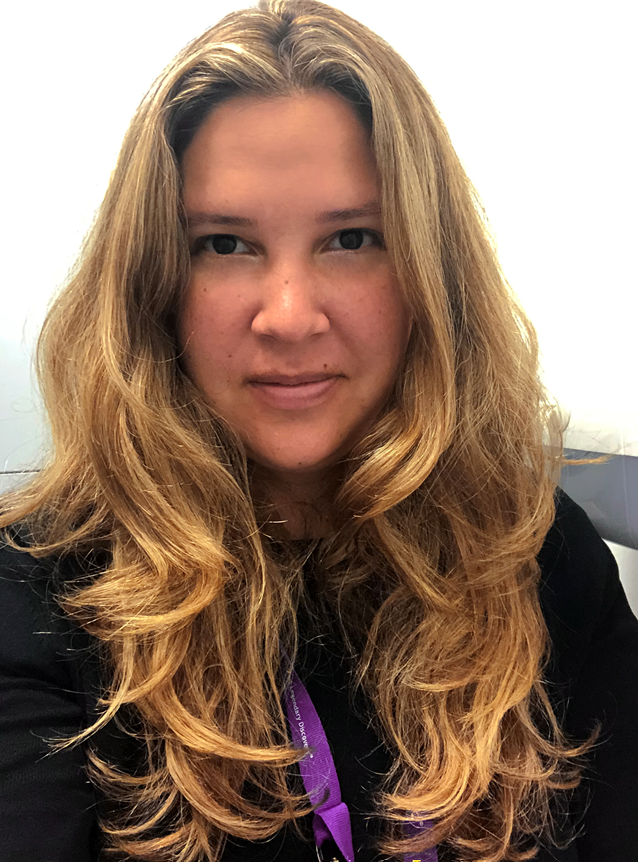
May Sabry
About Close
May is a senior research fellow at the Centre for Cell, Gene and Tissue Therapeutics at University College London. She obtained her MSc in Molecular Medicine and PhD in Cancer Immunology from University College London, studying natural killer cell responses to tumour-priming. She completed postdoctoral training in Cancer Genomics at Harvard Medical School and Hubrecht Institute, where she worked on CRISPR-based gene-editing of tumour-suppressor genes. Currently, she is involved in research that aims to define NK cell interactions with tumour targets, for the development of NK cell-based medicine in cancer.